

Dr. Georgios Siskos is an ophthalmic surgeon with official subspecialisation in refractive cataract surgery and in plastic and reconstructive surgery of the eyelids and the lacrimal system.
He has worked as a specialist ophthalmic surgeon in Greece, Ireland, Sweden, the Cayman Islands and Bermuda. He has contributed to university hospitals as a trainer in ophthalmic surgery and to private ophthalmology clinics as a subspecialised surgeon in ophthalmology and cosmetic medicine.
He holds 5 scientific qualifications (MD. MScOphth. MScBiostat. FEBO. PgDip CRS) and at his practice in Karditsa you will find a complete ophthalmic diagnostic centre.


 Το Trustindex επαληθεύει ότι η αρχική πηγή της κριτικής είναι Google.
 Το Trustindex επαληθεύει ότι η αρχική πηγή της κριτικής είναι Google.
 Το Trustindex επαληθεύει ότι η αρχική πηγή της κριτικής είναι Google.
 Το Trustindex επαληθεύει ότι η αρχική πηγή της κριτικής είναι Google.
 Το Trustindex επαληθεύει ότι η αρχική πηγή της κριτικής είναι Google.
 Το Trustindex επαληθεύει ότι η αρχική πηγή της κριτικής είναι Google.
 Το Trustindex επαληθεύει ότι η αρχική πηγή της κριτικής είναι Google.
 Το Trustindex επαληθεύει ότι η αρχική πηγή της κριτικής είναι Google.
 Το Trustindex επαληθεύει ότι η αρχική πηγή της κριτικής είναι Google.
 Το Trustindex επαληθεύει ότι η αρχική πηγή της κριτικής είναι Google.
 Το Trustindex επαληθεύει ότι η αρχική πηγή της κριτικής είναι Google.
 Το Trustindex επαληθεύει ότι η αρχική πηγή της κριτικής είναι Google.
 Το Trustindex επαληθεύει ότι η αρχική πηγή της κριτικής είναι Google.
 Το Trustindex επαληθεύει ότι η αρχική πηγή της κριτικής είναι Google.
 Το Trustindex επαληθεύει ότι η αρχική πηγή της κριτικής είναι Google.


Services

The eye examination is a pillar of prevention and proper vision care, for both children and adults.
It does not concern only those with obvious vision problems, but also those who wish to check the health of their eyes preventively.
It is essential to know that many eye diseases progress without obvious symptoms and are detected only with a comprehensive examination, which is painless and safe.
What the examination includes
The examination is adapted to the age and needs of each patient and may include:
• assessment of visual acuity and refraction
• measurement of intraocular pressure
• imaging of the anterior and posterior segment
• assessment of the macula and the optic nerve
• examination of the eyelids and the surface of the eye
The aim is not simply the correct correction of vision, but above all the early diagnosis of conditions that may permanently affect visual function.
Eye examination in children
Examination in children is particularly important, even when there are no obvious symptoms. Conditions such as amblyopia, strabismus or significant refractive errors often go unnoticed. Early diagnosis allows effective treatment and normal development of vision.
We recommend that everyone, children and adults, have an annual preventive eye examination.

Cataract is the most common cause of gradual, age-related reduction in vision. It is due to the gradual ageing of the eye’s natural lens and usually progresses slowly, so many patients adapt without immediately noticing the change.
Early diagnosis and proper information are decisive for maintaining good quality of vision.
How it affects vision
Cataract usually does not cause sudden loss of vision. It often shows up as:
• blurred vision or faded colours
• reduced contrast, especially in low light
• difficulty or inability to drive at night
• frequent changes in the glasses prescription
When the lens needs to be replaced
Cataract treatment is microsurgical and is done by replacing the aged lens. The decision is made individually, after a full eye examination and discussion with the patient. There is no need to rush, but of course no need to wait until the lens “ripens”, as was the case many years ago.
Modern surgical treatment
Today, cataract surgery is a short and generally safe operation, with rapid recovery of vision in most cases. During the operation, the cloudy lens is replaced with an artificial intraocular lens, chosen according to the patient’s needs and lifestyle.
When you should be examined
• when a gradual reduction in vision is noticed
• when glasses change often without a satisfactory result
• preventively for everyone after the age of 60
• earlier in people with risk factors
Proper monitoring and an individualised approach allow safe and effective treatment of cataract. Many patients now choose to be informed and to deal with the problem calmly and with proper planning.
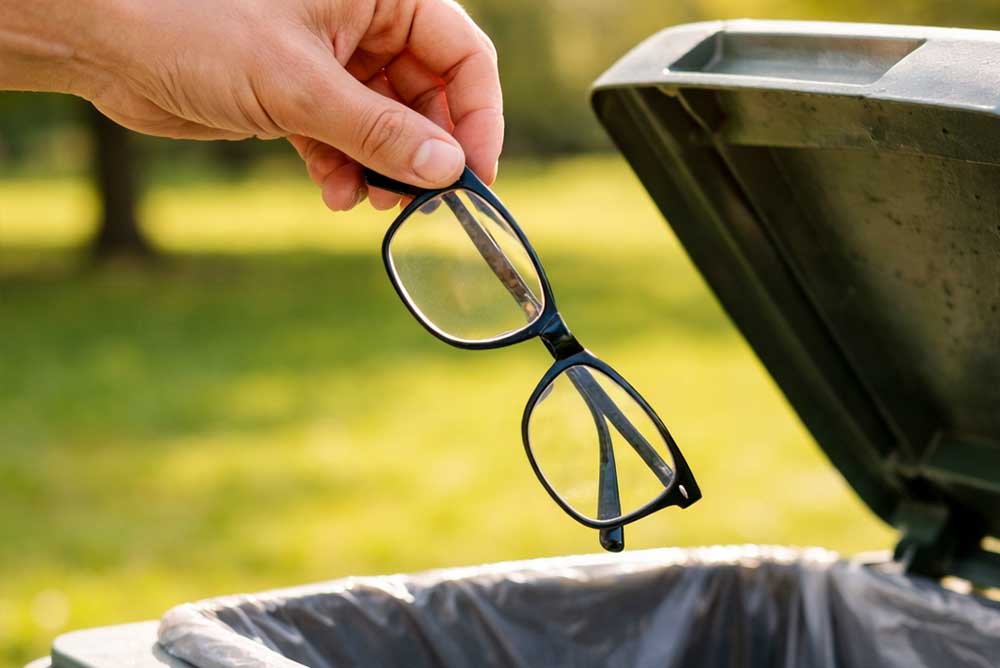
Refractive surgery concerns the permanent correction of refractive errors, such as myopia, astigmatism, hyperopia and presbyopia. The aim is not simply freedom from glasses or contact lenses, but the improvement of everyday function, safely and with realistic expectations.
When it can help
Refractive surgery may be suitable when:
• vision with glasses or contact lenses is not satisfactory or causes discomfort
• there is difficulty with activities such as sport or work
• there is a need to use two or more pairs of glasses
Suitability is not based only on the prescription, but on the overall health of the eyes.
Available techniques
There are different refractive surgery techniques, such as laser techniques or intraocular lens solutions. The choice is made individually, after a detailed preoperative assessment. There is no single solution that suits everyone, and proper information is decisive for the final result.
Presbyopia correction
Presbyopia is a normal change in vision after the age of 40–45. Presbyopia can now be treated to an extremely satisfactory degree by replacing the presbyopic natural lens and implanting an intraocular lens. Two important advantages of this technique are the stability of the result and the prevention of cataract development, since the natural lens is replaced.
What the patient can expect
• a detailed preoperative assessment
• a realistic discussion of benefits and limitations
• an individualised treatment plan
• postoperative follow-up
Refractive surgery is not a decision to be rushed. With the right choice and responsible guidance, however, it can offer reliable and stable results.
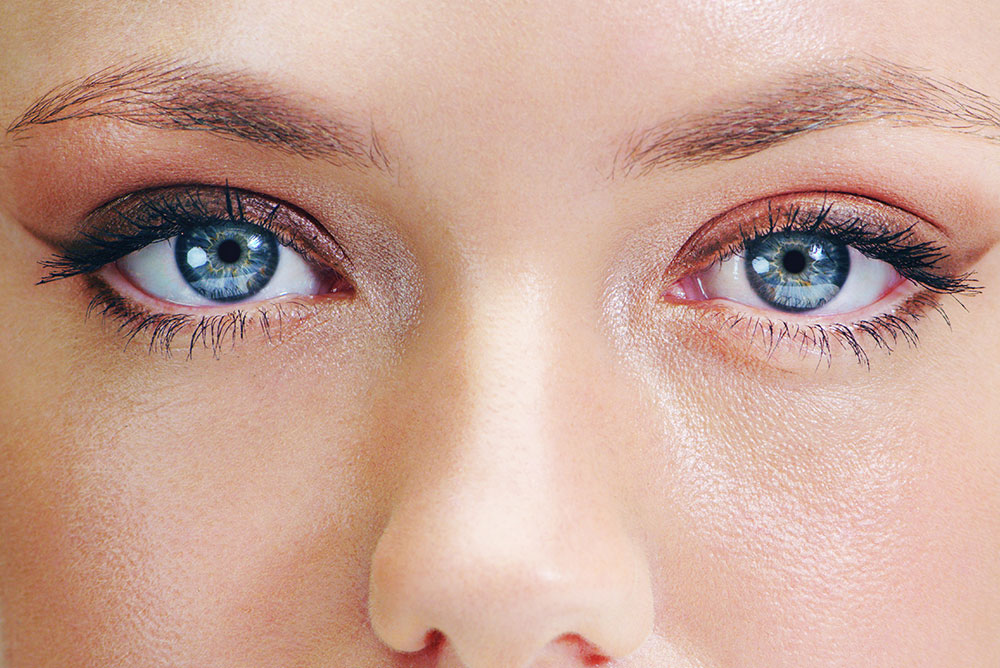
The eyelids and the lacrimal system play a decisive role both in protecting the eye and in the proper functioning of vision. Conditions in this area are not only an aesthetic issue but often affect comfort, quality of vision and the health of the ocular surface. Proper assessment requires experience and a specialised approach.
Common eyelid conditions
Eyelid conditions may be congenital or acquired and include:
• drooping eyelid (ptosis)
• laxity or malposition of the eyelid
• entropion and ectropion
• chronic irritation or inflammation
• tumours or lesions of the eyelids
Many of these conditions directly affect the function of the eye and cannot be treated effectively without proper planning.
Watery eye and the lacrimal system
A watery eye is not always due to allergy or dry eye. It is often related to disorders of tear drainage or to poor eyelid function. Diagnosis is based on a detailed clinical examination and, when needed, specialised assessment of the lacrimal system.
When specialised treatment is required
The treatment of eyelid and lacrimal system conditions may be conservative or surgical, depending on the problem. Surgical intervention always aims at restoring normal function and not simply at improving appearance. The choice of the appropriate technique is made individually, guided by safety and the long-term stability of the result
When you should be examined
Correct diagnosis and specialised treatment of these conditions can substantially improve the patient’s daily life. For this reason, many patients from all over Thessaly seek experience and specialisation in this field.

Cosmetic medicine and surgical restoration of the periocular area aim to improve the appearance of the face while respecting the natural anatomy and function of the eyes. In the eyelid area, aesthetics and function are inextricably linked, which makes a medical and surgical approach essential.
What can be treated
Modern medical and surgical interventions can help with:
• laxity of the upper or lower eyelids
• excess skin or fat
• a tired or heavy appearance around the eyes
• asymmetries and functional problems of the area
• expression lines and volume loss
Treatment does not aim to alter your features, but to restore a more rested and natural appearance.
Surgical approach and safety
Blepharoplasty is a surgical procedure that requires excellent knowledge of eyelid anatomy and experience in the detailed reconstruction of tissues. Correct planning of the operation takes into account not only appearance, but also the function of the eyelids and the protection of the eye.
Every operation is preceded by a full medical assessment, so that the appropriate technique is chosen and the safety and stability of the result are ensured.
Non-invasive treatments
In selected cases, non-surgical medical treatments such as Botox can be used as a complement or an alternative, when the indication is mild or surgery is not indicated.
Cosmetic medicine, when applied with medical and surgical criteria, can offer a substantial improvement in the appearance of the face. For this reason, patients from all over
Thessaly seek a specialised surgical approach to the eyelid area.

Glaucoma and macular diseases are among the most common causes of permanent vision loss, particularly in older age. What they have in common is that they often progress without marked symptoms in the early stages, which makes regular examination and proper monitoring absolutely essential.
Glaucoma
Glaucoma is a chronic disease of the optic nerve, usually associated with raised intraocular pressure. The damage it causes is irreversible, but it can be slowed down or stabilised with early diagnosis and proper treatment. Because vision loss usually starts at the periphery, many patients do not notice the problem until it has already progressed.
Diagnosis is based on a combination of tests and not on a single measurement.
Macular diseases
The macula is responsible for central, detailed vision. Diseases of this area affect activities such as reading, driving and recognising faces.
Of particular importance is wet age-related macular degeneration (AMD), which can cause rapid deterioration of vision. Early diagnosis and systematic monitoring are decisive for preserving functional vision.
Diabetes and the eyes
Diabetes mellitus can seriously affect vision, even in patients without obvious symptoms. Diabetic retinopathy and diabetic macular oedema require regular examination and close monitoring. Preventive eye examination is an essential part of the overall care of the diabetic patient.
When you should be examined
• preventively after the age of 40, especially if there is a family history
• at least once a year for patients with diabetes
• when distortion or reduction of central vision is noticed.
Correct diagnosis, individualised monitoring and consistency in treatment can protect vision in the long term.

The conjunctiva and the cornea form the surface of the eye and play a decisive role in both comfort and quality of vision. Conditions in this area can cause discomfort, pain, redness or blurred vision and often significantly affect daily life, even when they are not initially considered serious.
Common conditions of the ocular surface.
Conditions of the conjunctiva and cornea include:
• dry eye and tear film disorders
• inflammation and chronic irritation, as in pterygium
• corneal changes, such as keratoconus
• tumours and growths
Although some conditions are temporary, others require systematic and specialised monitoring.
Dry eye and chronic symptoms
Dry eye is one of the most common conditions of the ocular surface and is not limited to simple discomfort. It can affect the quality of vision, tolerance of screens and the use of contact lenses. Treatment is based on the correct diagnosis of the type and severity of the disorder and not on general solutions.
The cornea and quality of vision.
The cornea is the main refractive lens of the eye. Changes or inflammation of its surface can significantly affect the clarity of vision. Early recognition and targeted treatment are critical to avoid permanent effects.
When you should be examined
• when redness or discomfort persists
• when there is pain or photophobia
• when vision becomes unstable or blurred
• when there is a change on the surface of the eye that changes in shape or size
Proper assessment of the ocular surface requires a detailed examination and an individualised approach. With responsible monitoring and appropriate treatment, many conditions of the conjunctiva and cornea can be treated effectively.
An Ophthalmology Clinic with Personal Care for Your Needs
Every journey is centred on the patient, as you begin caring for your eyes with us. From the initial examination to follow-up, we are by your side at every step.
Karaiskaki 23, Karditsa 431 00
2441 072740

The first step is to book an appointment with Dr Siskos for an initial examination. He will listen to your symptoms, carry out the first assessment and answer all your questions.

Based on the results of the examination, we will make an accurate diagnosis and an individualised treatment plan tailored to your needs.

Once you agree with the treatment plan, we will proceed with the treatment or operation. At the same time, follow-up appointments will be arranged to monitor the progress and health of your eyes.
Comprehensive Eye Care in Karditsa & Larisa
From the initial examination to treatment and follow-up, we are by your side with individualised care in Karditsa and specialised oculoplastic and lacrimal surgery services in Larisa.
Karaiskaki 23, Karditsa 431 00
Patsidis Clinic - Theofrastou 75, Larisa
Every Wednesday * By appointment
Fully equipped ophthalmology practice in Karditsa
Specialised Eyelid and Tear Duct Practice in Larisa
Specialised assessment and treatment of conditions of the Eyelids and the tear duct